
Eoghan Corry brings us the latest travel news, both in Ireland and abroad, including Ryanair's peace deals with online travel agencies (OTAs), analysis of Dublin Airport figures, news from the Holiday World Show, and much more.

Ryanair's Peace Deal with OTAs
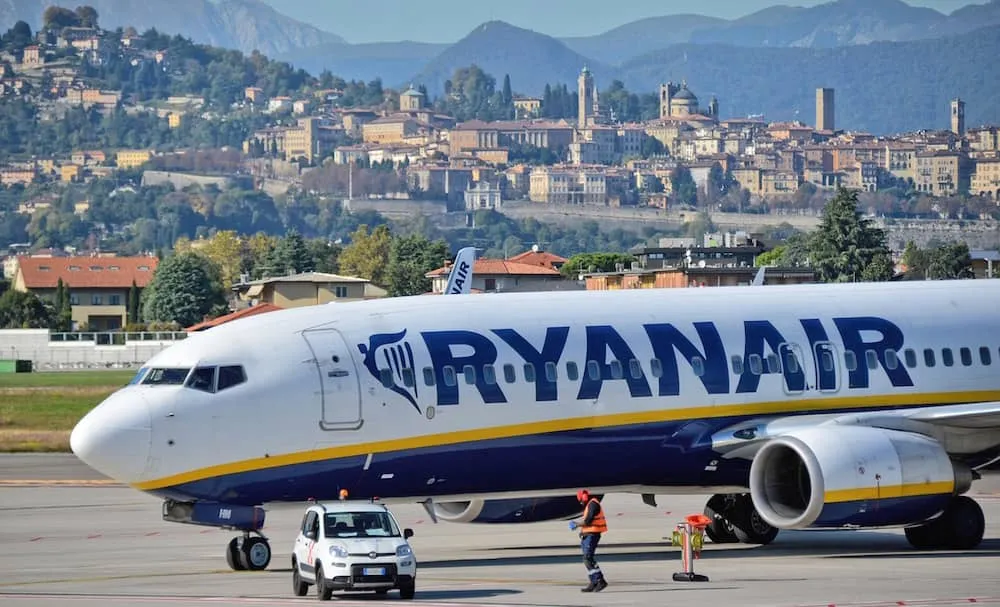
Ryanair has recently signed a series of peace deals with its former adversaries, including Love Holidays and Kiwi.com. This marks the end of legal battles that have often led to heated courtroom drama, particularly in the United States. This move appears to be driven by pragmatic reasons, given that the absence of Ryanair flights from OTA inventories has impacted the airline's load factors.
The shift is significant for Irish travellers, who often book Ryanair's cheapest fares through third-party platforms. The peace deals mean those fares are once again visible in OTA searches, restoring a familiar booking experience for consumers who had grown accustomed to direct-only purchases. Industry analysts suggest Ryanair's decision reflects a recognition that the post-pandemic OTA channel matters more than the airline publicly acknowledged during its years-long legal disputes.
The economics behind the reconciliation are straightforward. By staying off OTAs, Ryanair was effectively conceding market share to carriers that welcomed aggregator distribution. As load factors recovered, the cost of remaining absent from those platforms grew harder to justify, especially during shoulder seasons when OTA-driven demand helps fill otherwise empty seats.
Hotel Bed Shortage in the Irish Holiday Market
The Irish holiday market is suffering from a shortage of hotel beds. In 2023, around 2,600 beds were added, and a further 3,000 are expected by 2025. However, the sector has lost around 8,000 rooms to government contracts. Additionally, the short-term rental sector could be impacted by new regulations, which could significantly reduce the number of beds available to tourists.
The net effect is sobering. Even with the planned additions, the Irish hotel sector is still several thousand rooms short of where it stood a decade ago. This is having a measurable impact on pricing across Dublin, Cork, Galway, and the regional tourism hubs. Visitors during peak events — concerts, conferences, sporting fixtures — routinely find themselves paying premium rates or being redirected to peripheral towns.
Government contracts, particularly those related to emergency accommodation, have absorbed a significant share of the bed stock. While these arrangements address pressing social needs, they leave the tourism sector with limited capacity to absorb visitor growth. The regulatory push on short-term rentals, intended to free up housing stock for residents, may further constrain accommodation availability for visitors unless hotel development accelerates substantially.
Dublin Airport News
Dublin Airport has decided not to include transit passengers in its official figures for 2023. This could help keep the numbers below the 32 million passenger cap, but there is uncertainty about the actual figures. Ryanair, which does not allow transfers on a single booking reference, may contribute to an undercount of self-connected passengers.
The passenger cap has been a defining constraint on Dublin Airport's growth story. The decision to exclude transit passengers from the official count keeps the headline figure below the regulatory threshold, but raises legitimate questions about transparency. Travellers who use Dublin as a connection point — particularly those on Aer Lingus regional routes feeding transatlantic flights — are real users of the airport's infrastructure even when they don't pass through immigration.
For aviation analysts, the methodology matters. International comparisons of airport throughput typically include transit passengers. By excluding them, Dublin's reported numbers become harder to benchmark against peer airports in Amsterdam, Frankfurt, or London Heathrow. The cap debate, which has implications for terminal expansion planning, deserves a clear and consistent measurement framework rather than one shaped to fit regulatory limits.
Cruises and Holiday World Show
The cruise market is seeing a shift of ships away from the Red Sea and the eastern Mediterranean, which could benefit consumers with more favorable prices and bookings. The Holiday World Show in Dublin showed that Spain remains the preferred destination for Irish travelers, despite new routes to Greece and Italy. There is also a noticeable increase in dental and medical travel abroad.

The cruise rerouting is largely a function of geopolitical risk. With Houthi-linked incidents affecting Red Sea transit and persistent instability in parts of the eastern Mediterranean, major cruise lines have shifted their itineraries to the western Mediterranean, the Atlantic islands, and northern European coastlines. For Irish passengers, this means more options from home ports and shorter repositioning flights to join ships in alternative embarkation ports.
The Holiday World Show's findings align with broader European tourism trends. Spain continues to dominate Mediterranean preferences thanks to its accessibility, climate reliability, and value relative to Italy or Greece. The new routes to Greek and Italian destinations are welcome additions, but uptake has been gradual. The growth in dental and medical travel reflects both cost arbitrage and shorter waiting times for procedures that would involve months of delay in the Irish health system.
What It Means for Irish Travellers
For consumers planning trips in 2025, the news carries several practical implications. The Ryanair-OTA reconciliation means easier access to bundled holiday packages combining flights and accommodation. The hotel bed shortage means early booking is increasingly important, particularly for popular summer dates and city breaks. The cruise reroutings open up itineraries that wouldn't have been available a few years ago.
Dublin Airport's reported figures matter less to individual travellers than to the policy environment. A clearer picture of true passenger volumes would support better planning for terminal capacity, ground transport, and security staffing. In the meantime, arriving with extra time during peak periods remains the most reliable strategy.
Looking Ahead
January is the busiest month on the travel trade calendar, with surprises such as Ryanair's turnaround with its former rivals. With developments in hotel infrastructure and regulatory changes underway, the travel sector in Ireland is constantly evolving.
The coming months will bring more clarity on hotel development timelines, the final shape of short-term rental regulations, and the outcome of negotiations around Dublin Airport's capacity constraints. Each of these will shape the traveller experience in concrete ways — from the prices paid for rooms to the time spent in security queues.
For anyone working in or following the Irish travel industry, the February briefing is a useful snapshot of where the market stands. The themes that emerge — capacity constraints, distribution channels, regulatory pressure, shifting consumer preferences — will recur throughout the year. Staying informed on each of them helps travellers make better decisions and helps industry participants anticipate the changes ahead.
This article is based on the latest information and trends in the travel industry, with particular attention to local and international news. For more detailed information and the latest updates, follow the publications of The Travel Expert and stay informed about new travel trends.